Professional Mould Treatment
What is Mould?
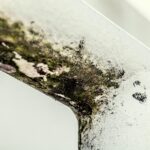
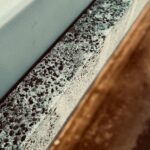
Mould is a type of fungus that grows in damp, poorly ventilated areas where moisture is present. It often appears as black, green or grey patches on walls, ceilings, window areas and other surfaces.
Mould spreads through tiny airborne spores, which can settle on surfaces and grow when the right conditions exist — typically where there is excess moisture, condensation or insufficient airflow.
While small amounts of mould can sometimes be cleaned with household products, recurring or widespread mould is often a sign of an underlying moisture problem that needs to be addressed.
Common signs of mould include:
- Dark patches or staining on walls and ceilings
- A musty or damp smell
- Peeling paint or wallpaper
- Discolouration around windows and external walls
- Increased condensation on surfaces
- Visible fungal growth in corners or behind furniture
How Can You Reduce the Risk of Mould?
Small changes to how a property is used can help reduce moisture levels and discourage mould growth.
Improve Airflow
Open windows regularly to allow fresh air circulation.
Avoid blocking air vents.
Keep furniture slightly away from external walls.
Leave internal doors open where appropriate to improve air movement.
Control Indoor Moisture
Use extractor fans when cooking or bathing.
Keep bathroom and kitchen ventilation running after use.
Cover pans when cooking.
Avoid drying clothes indoors where possible.
Use a dehumidifier if humidity levels remain high.
Reduce Condensation
Maintain a consistent indoor temperature.
Avoid allowing rooms to become excessively cold.
Wipe away excess condensation from windows and surfaces.
Improve insulation where appropriate.
Monitor Problem Areas
Check corners, window frames and external walls regularly.
Act quickly if mould spots appear.
Avoid simply painting over mould without treating the cause.
How We Can Help?
We begin by assessing the affected areas to understand:
- The extent of mould growth
- Moisture levels within the property
- Possible sources of excess humidity
- Areas with poor ventilation or cold surfaces
This helps ensure treatment is targeted rather than temporary.
Visible mould is carefully treated using professional-grade solutions designed to eliminate mould growth and reduce the chance of recurrence.
Treatment focuses on:
- Removing established mould contamination
- Treating affected surfaces
- Cleaning impacted areas safely
- Preventing further spread of spores
Where mould is linked to condensation, we help address the underlying environment by identifying improvements such as:
- Ventilation upgrades
- Moisture control measures
- Humidity reduction strategies
- Improvements to airflow
A successful mould treatment programme is about prevention as well as removal.
We provide guidance on:
- Maintaining healthier humidity levels
- Reducing condensation risks
- Improving ventilation habits
- Protecting vulnerable areas from future mould growth