tackling Condensation problems
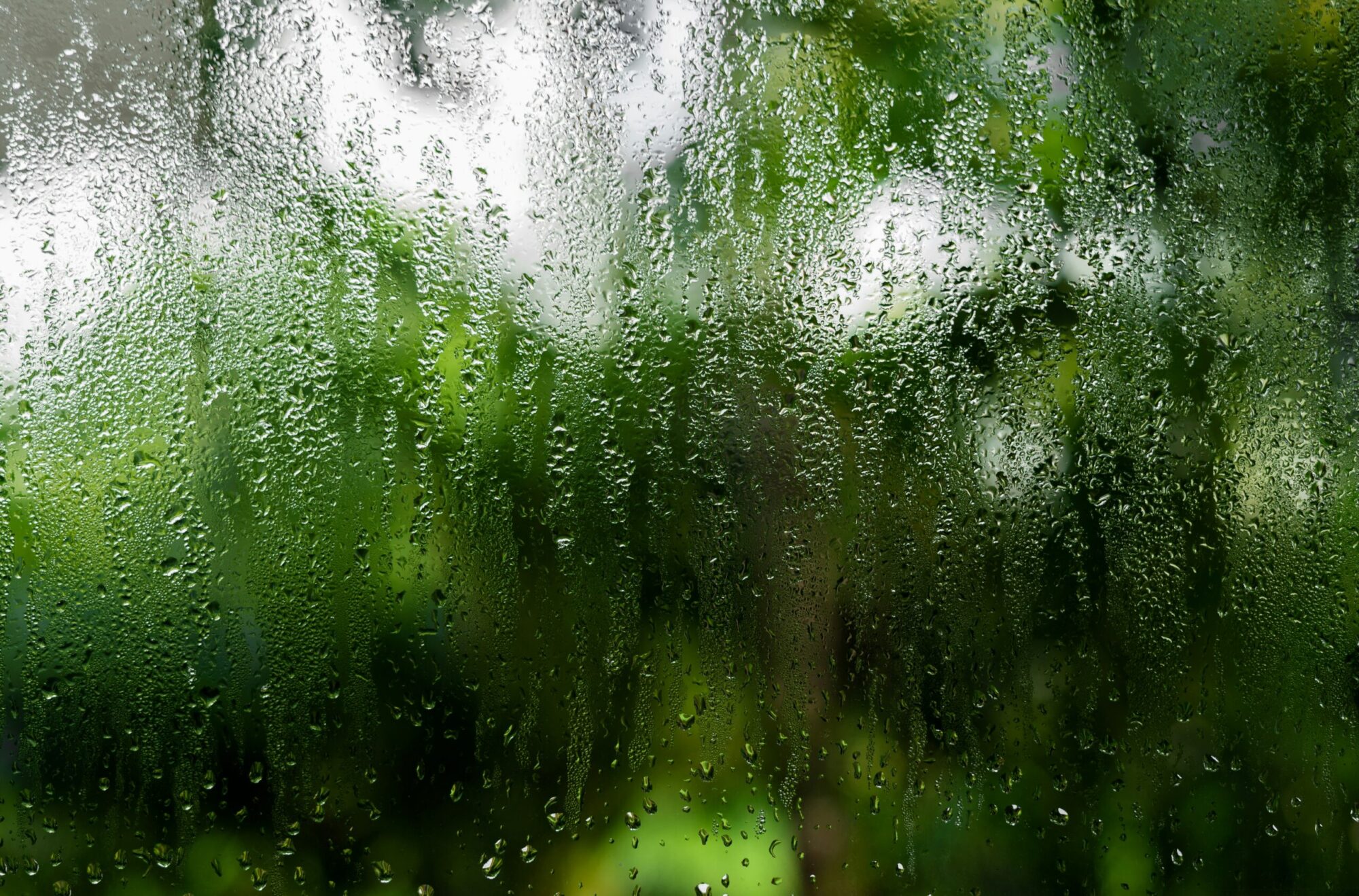
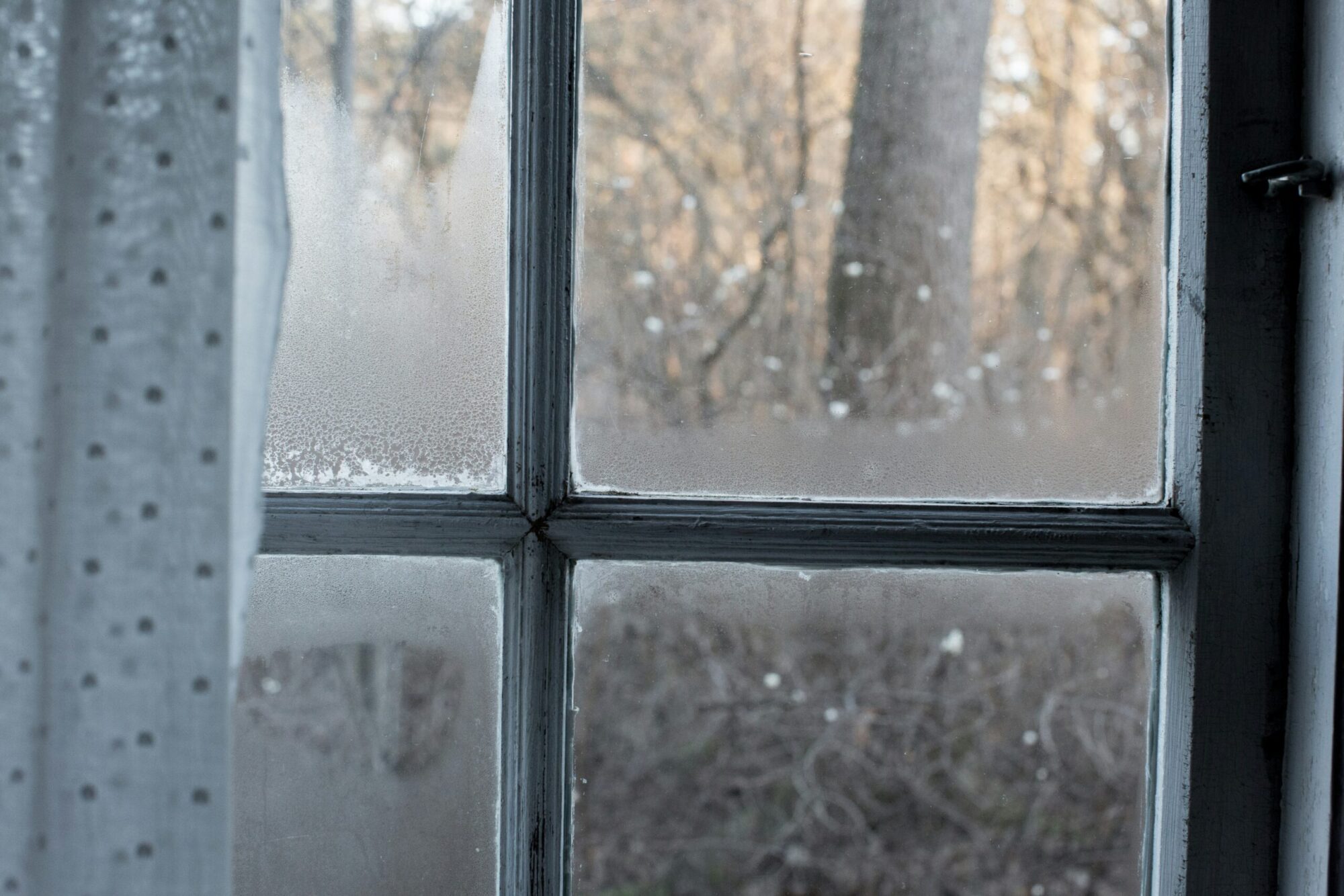
Condensation occurs when warm, moisture-filled air comes into contact with a colder surface and turns into water droplets. It is one of the most common causes of damp and mould growth in UK properties.
What is Condensation?
Everyday activities such as cooking, bathing and drying clothes release moisture into the air. When that moisture cannot escape, it settles on colder areas such as windows, walls and ceilings.
Over time, repeated condensation can create the ideal environment for mould growth, damaged surfaces and an unhealthy indoor environment.
Common signs of condensation include:
- Water droplets on windows and cold surfaces
- Mould growth around window frames or corners
- Black marks on walls and ceilings
- Peeling paint or wallpaper
- Damp smells
- Excess moisture in bathrooms and bedrooms
- Cold or clammy rooms
What Causes Condensation?
Condensation is caused by a combination of excess moisture, poor ventilation and cold surfaces. Addressing these factors is key to preventing the problem from returning.
High Indoor Humidity
Modern homes naturally produce moisture through daily activities.
Common sources include:
- Cooking and boiling water
- Showering and bathing
- Drying clothes indoors
- Houseplants and aquariums
- Occupants breathing and everyday living
When moisture levels become too high, the excess water vapour looks for somewhere to settle.
Poor Ventilation
Ventilation removes humid air and replaces it with fresher air.
Condensation problems often occur when:
- Extractor fans are ineffective or unused
- Air vents are blocked
- Rooms have limited airflow
- Windows remain closed for long periods
- Moist air becomes trapped indoors
Cold Surfaces
Condensation forms most easily on colder areas of a property.
Common problem areas include:
- External walls
- Window frames and glass
- Corners of rooms
- Behind furniture
- Areas with limited insulation
Cold surfaces allow moisture in the air to turn back into liquid water.
Inadequate Heating
Cold rooms are more likely to experience condensation because surfaces remain colder.
Issues can occur when:
- Rooms are underheated
- Heating is inconsistent
- Some areas of the home remain much colder than others
Maintaining a stable temperature helps reduce condensation risk.
How Can You Reduce Condensation?
Many condensation problems can be improved by managing moisture levels and improving airflow.
Improve Ventilation
Allowing humid air to escape is one of the most effective ways to reduce condensation.
Use extractor fans during and after cooking or showering.
Open windows regularly where possible.
Keep air vents clear.
Allow air to circulate between rooms.
Avoid blocking ventilation points.
Reduce Moisture Production
Small changes can significantly reduce indoor humidity.
Dry clothes outside where possible.
Use lids on pans while cooking.
Close bathroom doors during showers.
Wipe away excess moisture from windows.
Avoid drying large amounts of laundry indoors.
Improve Airflow Around the Property
Poor circulation can allow moisture to collect in specific areas.
Leave space between furniture and walls.
Avoid pushing wardrobes tightly against external walls.
Keep rooms evenly ventilated.
Allow warm air to move throughout the home.
Maintain Consistent Temperatures
Keeping rooms warmer reduces the number of cold surfaces where condensation can form.
Heat rooms regularly.
Avoid letting unused rooms become very cold.
Maintain a consistent indoor temperature.
How We Can Help?
Our condensation treatment approach focuses on reducing moisture levels, improving airflow and treating the conditions that allow condensation-related problems to develop.
Removing visible mould without addressing condensation usually results in the problem returning.
We assess the property to understand:
- Where condensation is occurring
- Indoor humidity levels
- Ventilation performance
- Areas vulnerable to mould growth
- Possible contributing factors
This helps identify the most effective solution.
Managing humidity is essential for long-term condensation prevention.
Solutions may include:
- Humidity monitoring
- Moisture reduction strategies
- Ventilation improvements
- Airflow adjustments
The goal is to create a healthier balance between indoor moisture and ventilation.
Where poor airflow is contributing to condensation, improvements may be recommended.
Possible solutions include:
- Improved extraction systems
- Continuous ventilation solutions
- Replacement or improvement of ineffective ventilation
- Air circulation improvements
Existing damage caused by condensation can also be addressed.
Treatment may include:
- Removal of mould growth
- Cleaning affected surfaces
- Treating vulnerable areas
- Advice on preventing recurrence