Protecting Wooden strcutures
Timber problems are usually linked to moisture, poor conditions or biological activity. Understanding the cause is essential to applying the right treatment.
What is Timber Treatment?
Timber treatment is the process of protecting and restoring wooden elements within a property that have been affected by moisture, decay or timber pests.
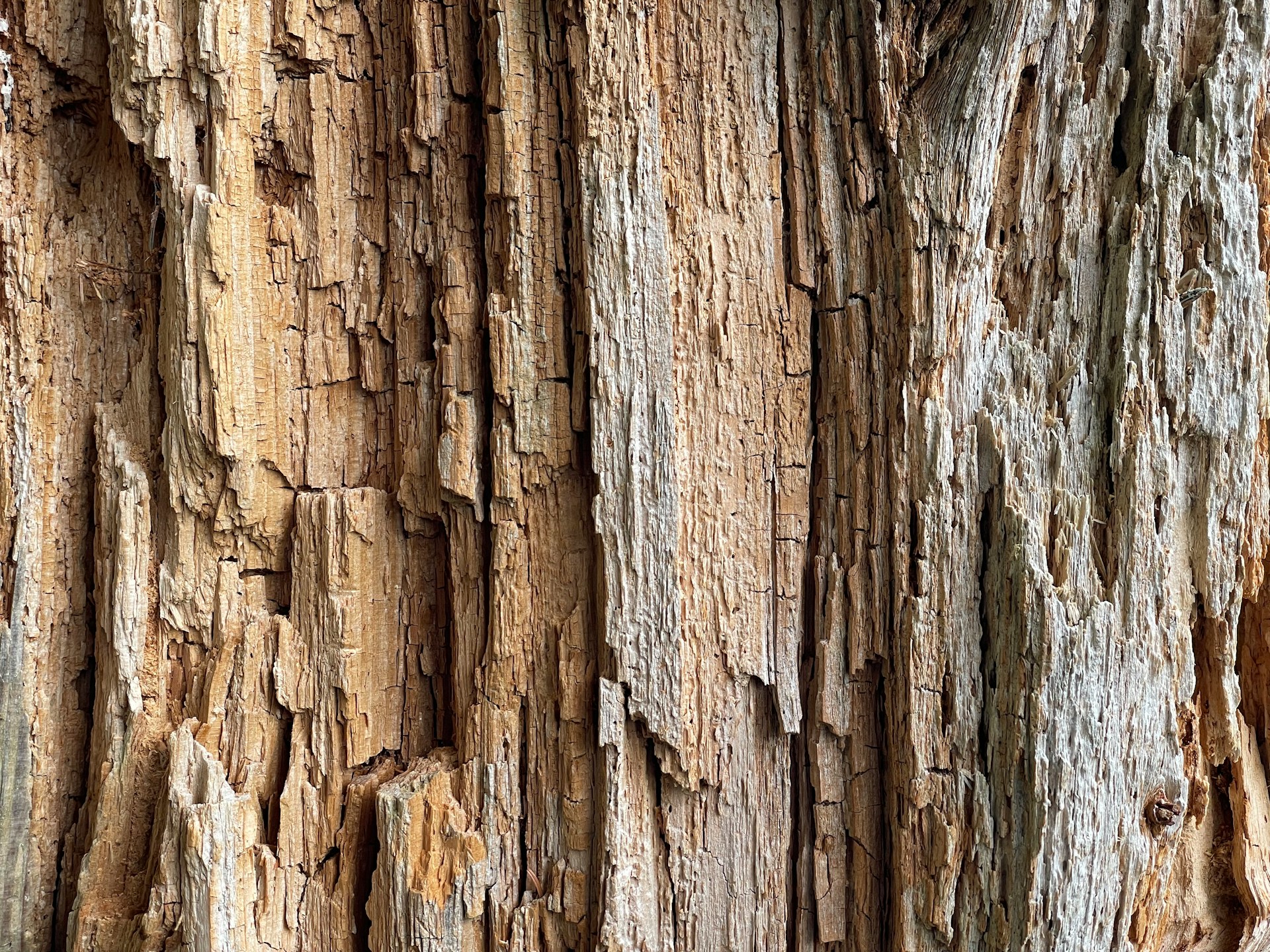
Wood is a natural material that can absorb moisture from its surroundings. When timber remains damp for extended periods it can weaken, deteriorate and become vulnerable to fungal decay or insect attack.
Effective timber treatment involves identifying the cause of the problem, treating the affected areas and helping to protect the timber from future damage.
Common signs of timber problems include:
- Soft, weakened, or damaged wood
- Crumbling timber surfaces
- Discolouration or staining
- Musty smells around wooden areas
- Visible fungal growth
- Small holes or tunnels in timber
- Floorboards becoming weak or unstable
- Damaged skirting boards, joists or structural timber
What Causes Timber Damage?
Excess Moisture
Moisture is one of the biggest risks to timber.
When wood remains damp, it can create ideal conditions for fungal growth and decay.
Common sources of moisture include:
- Condensation
- Leaks and plumbing issues
- Penetrating damp
- Rising damp
- Poor ventilation
- Flooding or water ingress
Wet Rot
Wet rot occurs when timber has a consistently high moisture content, allowing fungi to grow and break down the structure of the wood.
Signs of wet rot may include:
- Timber becoming soft or weakened
- Cracking or shrinking wood
- Darkened timber surfaces
- Loss of strength
- Damp or musty smells
Wet rot generally requires the moisture source to be addressed before repairs are effective.
Dry Rot
Dry rot is a more serious form of fungal timber decay. Despite its name, it still requires moisture to develop.
It can spread through a property and affect surrounding timber if conditions allow it to continue.
Possible signs include:
- Deep cracking in timber
- Brittle or weakened wood
- White or grey fungal growth
- Long fungal strands
- Damaged surrounding materials
Early identification is important to prevent wider damage.
Wood-Boring Insects
Certain insects can damage timber by feeding and nesting within the wood.
Possible indicators include:
- Small exit holes
- Fine dust or powder around timber
- Weakening wooden structures
- Visible insect activity
Treatment depends on the type and extent of infestation.
How Can You Protect Timber?
Preventing timber damage is largely about controlling moisture and maintaining the property environment.
Control Moisture Levels
Keeping timber dry helps reduce the risk of decay.
Repair leaks quickly.
Address damp issues early.
Maintain good ventilation.
Avoid prolonged exposure to water.
Monitor areas prone to moisture.
Improve Ventilation
Good airflow helps prevent moisture becoming trapped.
Keep ventilation openings clear.
Use extractor fans in high-moisture areas.
Allow air movement around timber areas.
Avoid creating enclosed damp spaces.
Maintain The Property
Regular maintenance can prevent small issues becoming larger problems.
Check for signs of water ingress.
Inspect vulnerable timber areas.
Maintain gutters and drainage.
Repair damaged external surfaces.
Monitor older timber structures.
Avoid Covering Existing Problems
Painting or sealing over damaged timber without treatment may hide symptoms while the underlying issue continues.
Addressing the source of moisture is essential.
How We Can Help?
We inspect affected areas to determine:
- The extent of timber damage
- Moisture levels
- Signs of fungal decay
- Evidence of insect activity
- The cause of the issue
This allows the correct treatment approach to be selected.
Before treating timber it is important to understand why the timber has become vulnerable.
We investigate potential causes including:
- Damp conditions
- Poor ventilation
- Water leaks
- Condensation problems
- Building defects
Removing the source of moisture is key to long-term protection.
Treatment depends on the condition of the timber.
Solutions may include:
- Specialist timber preservatives
- Anti-fungal treatments
- Insect treatments where required
- Removal of severely damaged timber
- Repair or replacement of affected sections
The aim is to stabilise and protect the timber.
Once treatment has been completed, preventative measures can help protect against future issues.
This may include:
- Improving ventilation
- Managing moisture levels
- Protecting vulnerable areas
- Ongoing monitoring and maintenance advice