Effective Damp Solutions
Our damp treatment process focuses on finding the source of moisture and applying the most appropriate solution.
Simply covering damp marks or repainting affected areas will often only hide the problem temporarily.
What is Damp?
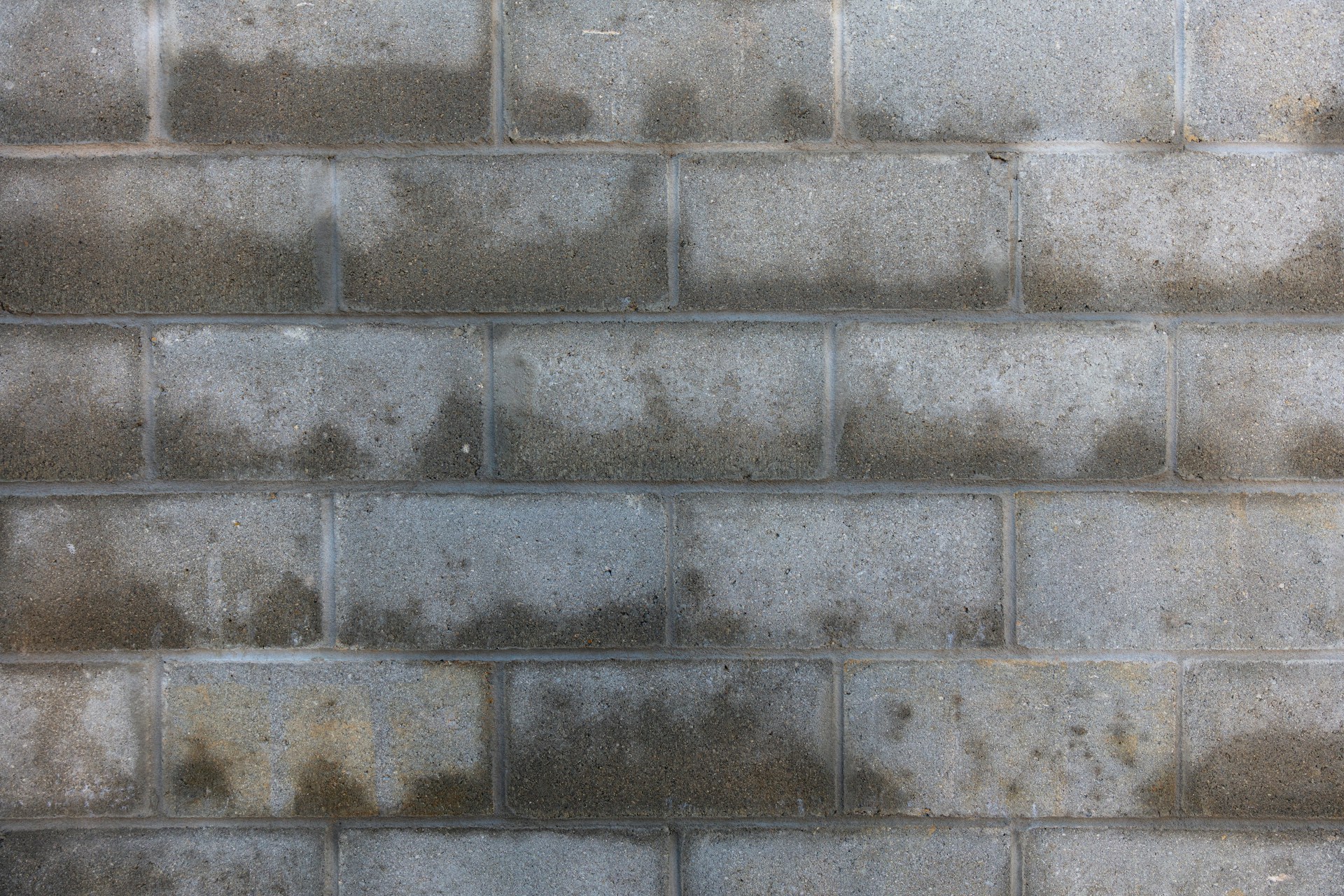
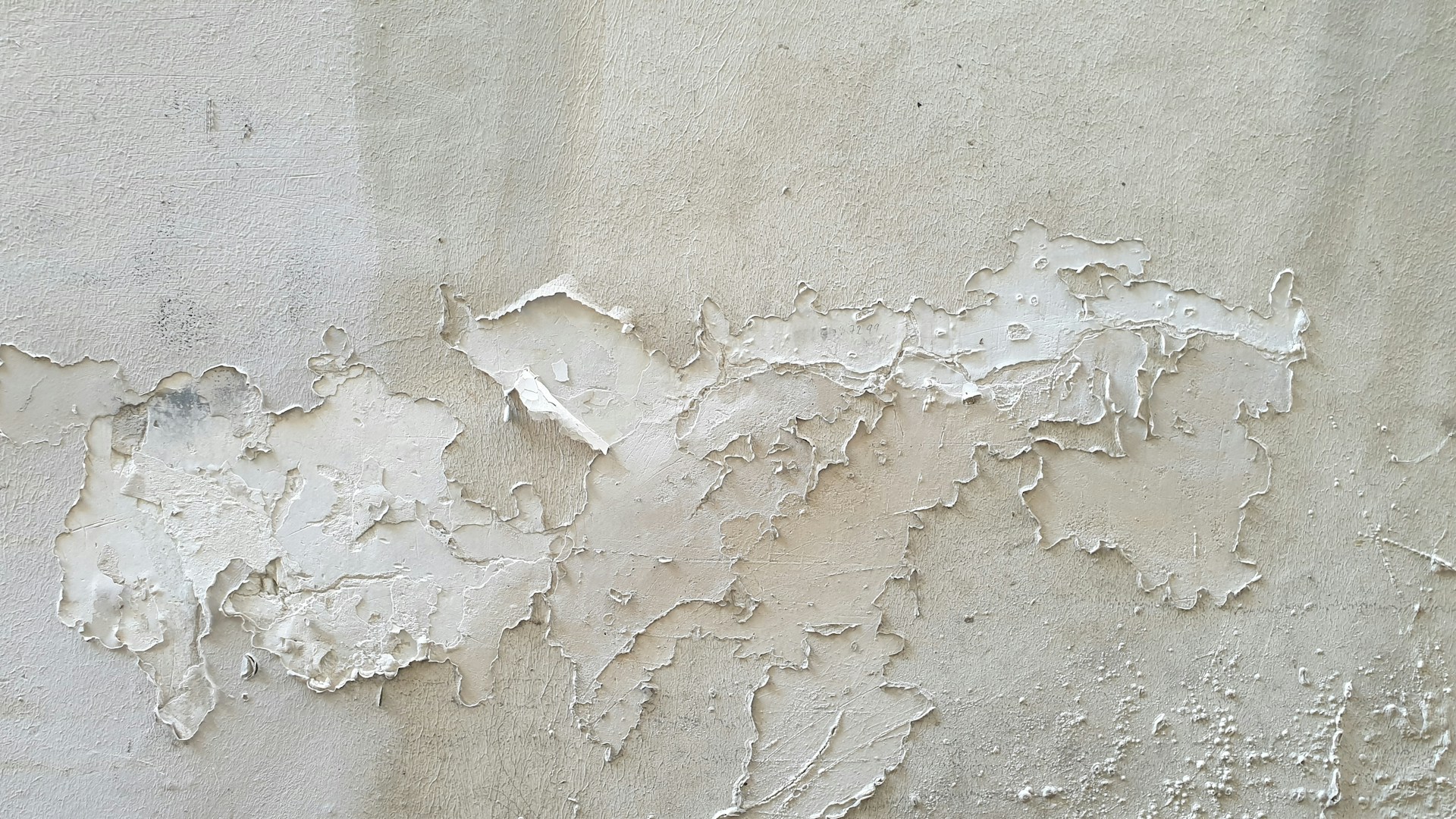
Damp is the presence of unwanted moisture within a building. It can affect walls, ceilings, floors, and internal surfaces, often leading to staining, peeling finishes, unpleasant smells, and mould growth.
Unlike condensation, which is caused by moisture in the air settling on cold surfaces, damp is usually linked to moisture entering or travelling through the structure of a property.
Damp problems vary depending on their cause, so effective treatment begins with identifying where the moisture is coming from.
Common signs of damp include:
- Damp patches or water staining on walls and ceilings
- Peeling paint or wallpaper
- Crumbling plaster or damaged surfaces
- A persistent musty smell
- Mould growth in affected areas
- White salt deposits appearing on brickwork or plaster
Cold, wet, or discoloured walls
What causes damp?
Penetrating Damp
Penetrating damp occurs when water enters a property from outside. This may happen through defects in the building structure, allowing moisture to pass through walls, roofs, windows, or external surfaces.
Common causes include:
- Damaged roofing or gutters
- Cracked external walls
- Failed seals around windows and doors
- Defective pointing or brickwork
- Leaking pipes or plumbing issues
Rising Damp
Rising damp occurs when moisture from the ground travels upwards through porous building materials such as brick, stone, or mortar.
Older properties may be more vulnerable where damp-proof measures are missing, damaged, or no longer effective.
Possible signs include:
- Damp patches near the bottom of walls
- Peeling skirting boards or paint
- Damaged plaster
- White powdery salt deposits
- Deteriorating wall finishes
Condensation-Related Damp
Condensation damp develops when warm, moisture-filled air comes into contact with colder surfaces.
This is common in areas with:
- Poor ventilation
- High humidity
- Limited heating
- Cold external walls
- Insufficient airflow
Over time, repeated condensation can create conditions where mould growth becomes likely.
Plumbing and Water Leaks
Hidden leaks can introduce moisture into walls, floors, and ceilings.
Potential causes include:
- Leaking pipes
- Faulty appliances
- Damaged seals
- Bathroom or kitchen leaks
- Roof or drainage problems
How Can You Reduce Damp Risk?
While some damp issues require specialist attention, there are practical steps that can help reduce moisture levels and protect your property.
Improve Ventilation
Open windows regularly where possible
Use extractor fans in kitchens and bathrooms
Keep ventilation openings clear
Avoid blocking air circulation around walls
Control Moisture Levels
Dry clothes outside where possible
Use extractor fans when cooking or showering
Avoid excessive steam build-up
Consider using a dehumidifier in problem areas
Maintain Your Property
Clear gutters and drainage channels
Check for leaks around windows and doors
Repair cracks in external walls
Monitor areas where damp has previously appeared
Keep Rooms Warm
Avoid letting rooms become excessively cold
Maintain a steady temperature where possible
Pay particular attention to bedrooms and colder areas of the property
How We Can Help?
We begin with a detailed inspection to determine:
- The type and extent of damp present
- Moisture levels within affected areas
- Possible causes of water ingress
- Areas at risk of further damage
This allows the correct treatment approach to be recommended.
Every damp problem is different. Treatment depends on the underlying cause.
We investigate factors such as:
- External water penetration
- Condensation issues
- Ventilation problems
- Structural defects
- Plumbing-related moisture
Depending on the cause, treatment may include:
- Targeted damp-proofing solutions
- Moisture control measures
- Surface treatment and restoration
- Repairs to affected areas
- Improvements to ventilation and airflow
The aim is to remove the moisture source and create conditions where damp is less likely to return.
Once the cause has been addressed, affected areas can be restored.
This may involve:
- Treating damaged surfaces
- Repairing finishes
- Reducing future moisture risks
- Providing guidance on ongoing prevention